From Screen Time to Skills Time: Making the Case for Esports in Education
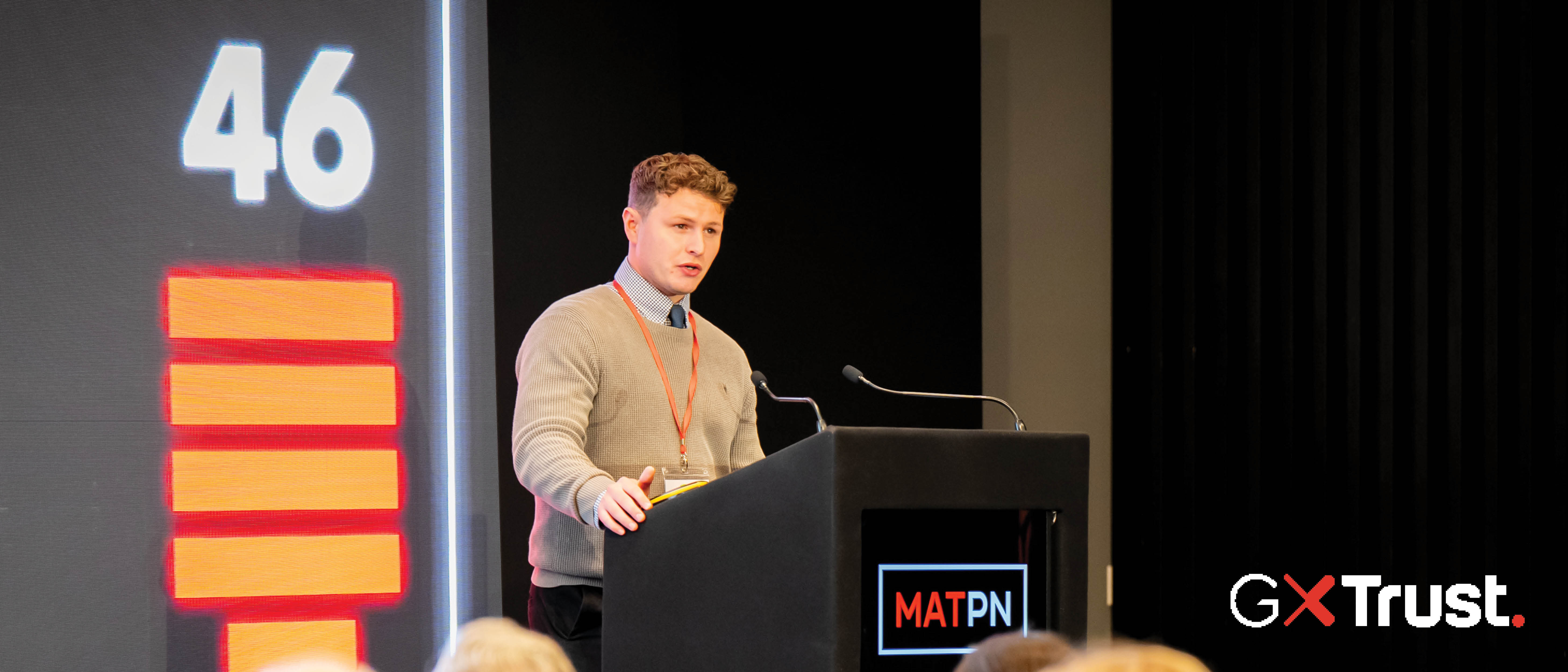
By Oliver Findlay, Education and Esports Specialist at Esports4Education
While millions of people around the world will watch the Esports World Cup as entertainment, schools should see it as something very different: a showcase of the skills employers increasingly expect from the next generation.
The Esports World Cup is proof that what was once dismissed as a niche hobby has become a global industry spanning technology, media, marketing, broadcasting, event management and content creation. Yet despite that evolution, outdated perceptions remain. Gaming is still too often associated with negative stereotypes, making it harder for schools to view esports as a legitimate educational opportunity rather than simply another form of screen time.
Having worked across education and esports for more than a decade, I believe schools are asking the wrong question.
The question is not whether esports belongs in education. It is whether schools can afford to ignore one of the most engaging ways of developing the skills young people will need in tomorrow's workplace. Employers are increasingly looking for collaboration, digital literacy, communication, problem-solving and adaptability - qualities that structured esports programmes are designed to develop.
The timing is significant. As policymakers debate children's screen time, online safety and social media restrictions, schools risk overlooking an important distinction: passive scrolling is not the same as structured digital learning. Lumping every screen-based activity into the same category risks missing valuable opportunities to engage students through technology in purposeful and educational ways.
A recent report highlighted how colleges across the UK are using esports qualifications to develop skills in communication, event management, broadcasting, digital production and teamwork. Students organise live events, produce content, learn about psychology and performance, and gain practical experience that extends far beyond competitive gaming. Success is measured not by how many students become professional players, but by the breadth of skills and career pathways these programmes unlock.
The reality is that very few students will ever compete professionally, and that has never been the point.
What students gain are transferable skills that apply across almost every modern industry. As AI and automation continue to reshape the workplace, employers increasingly value people who can collaborate, communicate effectively, think strategically and adapt quickly to changing situations.
These skills sit at the heart of every successful esports programme.
Students learn to work under pressure, solve problems in real time, analyse performance, make informed decisions and contribute towards shared goals. They also gain exposure to careers in broadcasting, event management, marketing, content creation, production and data analysis, demonstrating that esports is not simply a competitive activity but a gateway into the wider digital economy.
Perhaps most importantly, esports reaches students who traditional extracurricular activities often struggle to engage.
Not every young person identifies with school sports. Some are passionate about technology, media or gaming culture. Others simply don't feel they belong in conventional clubs or activities. For many students, including some with SEND, esports offers something schools work incredibly hard to create: belonging.
Schools are rightly under increasing pressure to create more inclusive opportunities for all learners, with more than 1.6 million pupils in England identified as having special educational needs and disabilities. Flexible activities that appeal to a broader range of interests can play an important role in helping more young people participate meaningfully in school life.
Like any successful team environment, esports creates shared goals, defined roles and a strong sense of identity. It gives students the chance to build confidence, discover new strengths and see a future where their interests have genuine educational and career value.
There are, of course, practical concerns. Many schools assume esports requires specialist facilities and prohibitively expensive equipment. In reality, the barriers to entry are often much lower than expected. A well-designed programme can be delivered using purpose-fit gaming PCs, standard peripherals, reliable internet access and appropriate supervision. Likewise, teachers do not need to be esports experts. What matters is good safeguarding, clear educational objectives and effective programme management.
The biggest barrier facing esports in education is no longer infrastructure.
It is perception.
While employers, colleges and universities increasingly recognise esports as a multidisciplinary route into digital careers, too many schools still view it through the outdated lens of "just playing games". The Esports World Cup is a reminder that the industry has already evolved.
The question is whether education is willing to evolve with it.
Contact for the press
- Trust International
- E: pr.nl@trust.com
- T: +31 78 654 3200
Over Trust
Trust International B.V. is in 1983 opgericht en is het one-stop merk voor digitale lifestyle-accessoires. Wij zijn een mondiaal bedrijf met een missie om het dagelijks leven te vereenvoudigen met slimme, steeds duurzamere oplossingen en consumenten te voorzien van producten die ze kennen, waarderen en vertrouwen. Met ons uitgebreide assortiment kwaliteitsproducten bieden we voor elke situatie een passende oplossing: thuis, op kantoor en onderweg. Trust richt zich op het maken van producten die een maximale toegevoegde waarde hebben en tegelijkertijd de impact op het milieu tot een minimum beperken. Het bedrijf is al meerdere jaren op rij bekroond met de EcoVadis Gold Medal. Daarmee behoren we tot de top 5% van de wereldwijd beoordeelde bedrijven. Of het nu gaat om je laptop, gamingapparaat, tablet, desktopcomputer, smartphone of tv: ontdek al onze productlijnen, waaronder Trust Home & Office, Trust Smart Home en Trust Gaming. Dankzij lokale salesteams zijn de producten van Trust in 50 landen verkrijgbaar. Dat gebeurt via lokale winkels, grotere elektronicazaken, warenhuizen, hypermarkten en online. Trust maakt deel uit van ACCO Brands, Home of Great Brands Built by Great People.Over ACCO Brands
ACCO Brands is marktleider op het gebied van merkproducten voor consumenten. Deze producten zorgen voor meer productiviteit, zelfvertrouwen en plezier tijdens het werken, leren en spelen. Voorbeelden van onze alom bekende merken zijn AT-A-GLANCE®, EPOS®, Five Star®, Kensington®, Leitz®, Mead®, PowerA®, Swingline® en Tilibra®. Meer informatie over ACCO Brands Corporation (NYSE: ACCO) is te vinden op www.accobrands.com.